
Ashtanga Yoga is an ancient system of Yoga that was taught by Vamana Rishi in the Yoga Korunta. This text was imparted to Sri T. Krishnamacharya in the early 1900’s by his Guru Rama Mohan Brahmachari, and was later passed down to Pattabhi Jois during the duration of his studies with Krishnamacharya, beginning in 1927.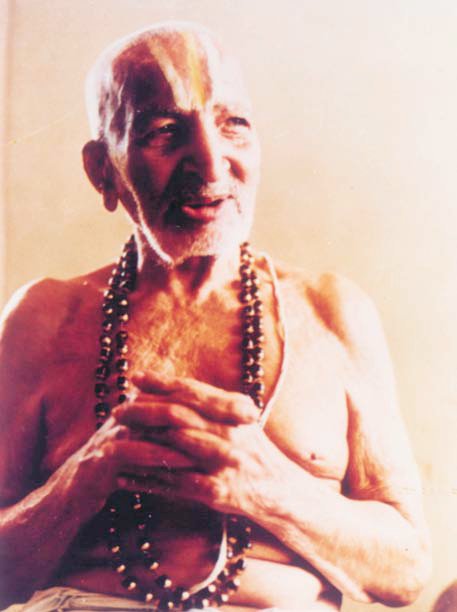
Ashtanga means “eight limbs”. According to Patanjali (who wrote the oldest systematic treaty about Yoga) these are: Yama (abstinences), Niyama (observances), Asana (postures), Pranayama (breath control), Pratyahara (sense withdrawal), Dharana (concentration), Dhyana (meditation), and Samadhi (contemplation).
Practicing Asana will prepare the body for the intensity deployed in Pranayama practice. But Asanas are practiced with a specific breathing technique: Ujjayi pranayama. Yama and Niyama are practiced from the beginning along with Asana practice. In fact, sustained effort at practicing regularly, focusing and feeling the slow changes taking place within the body/mind complex pushes naturally one to become more sincere and honest with his different human and other living interactions. That is the basis of Yama and Niyama. Finally, it is said that sustained practice over the years leads one to experience the last four “limbs” of Yoga.
An important technical specificity of Ashtanga Yoga is that it is based on invariable ordered series of postures connected to each other through a specific breathing/movement (movement synchronized with breath) technique called Vinyasa. A typical yoga session would start with “fundamental postures” (standing postures) that are then followed by one of the series in order to end with “finishing postures” (inverted postures). Students get acquainted first with the Primary series called Yoga Chikitsa that aims at aligning the body and establishing contact with the internal energy channels that will enable the practitioner to create the “heat” required to practice with fluidity and power and prepare to explore that energy more deeply in the Intermediate series (Nadi Shodhana).
There are more theoretical details to be found on the institute website: www.sharathyogacentre.com
An interesting description of the workings of the practice of Ashtanga Vinyasa Yoga can be found on the London-based Ashtanga website: http://www.astangayogalondon.com/index2.cfm
Another good background piece to read can be found on this website containing many other interesting articles: http://www.ashtanga.com/html/background.htm
 Ashtanga Yoga Beirut